Walking into a cardroom for the first time can feel like visiting a foreign country where you don’t speak the language. From "the nuts" to "angle shooting," the vocabulary of live poker is dense and essential for survival. To help you navigate the felt with confidence in 2026, we’ve compiled a comprehensive breakdown of the live poker terminology you need to know to transition from a "fish" to a formidable player.
Introduction to Live Poker Terminology
Before you can master the math or the psychology of the game, you must master the lexicon. Live poker terminology isn't just about sounding like a pro; it’s about the mechanics of the game itself.
Why Understanding Poker Terms Is Important
In a live casino setting, the game moves fast. If the dealer asks for a "string bet" correction or announces a "split pot," not knowing what they mean can lead to costly mistakes or social embarrassment. Understanding these terms ensures you can follow the action and protect your interests.
Differences Between Live Poker and Online Poker Language
While the rules are the same, the language varies. Online, the software handles the "muck" or "side pots" automatically. In live poker, terms like "acting out of turn" or "splashing the pot" refer to physical actions that don't exist in a digital interface.
How Live Poker Terminology Improves Gameplay
When you know the terms, you can process information faster. Instead of thinking, "I have the best possible cards," you recognize you have "the nuts." This mental shorthand allows you to focus more on strategy and less on deciphering the play-by-play.
Basic Live Poker Terms for Beginners
These are the foundational building blocks of every hand. Without these, the game literally cannot begin.
Blinds (Small Blind and Big Blind)
These are "forced bets" posted by two players at the start of every hand to ensure there is money in the pot. The Small Blind is usually half the Big Blind, and they rotate clockwise around the table.
Dealer and Dealer Button
The Dealer Button (a white plastic disk) indicates who is theoretically dealing the cards. It determines the order of betting, as the player on the button is the last to act in most betting rounds—a huge strategic advantage.
Pot
The Pot is the total amount of money or chips at the center of the table that players are competing for. It is formed by blinds, antes, and subsequent bets.
Chips
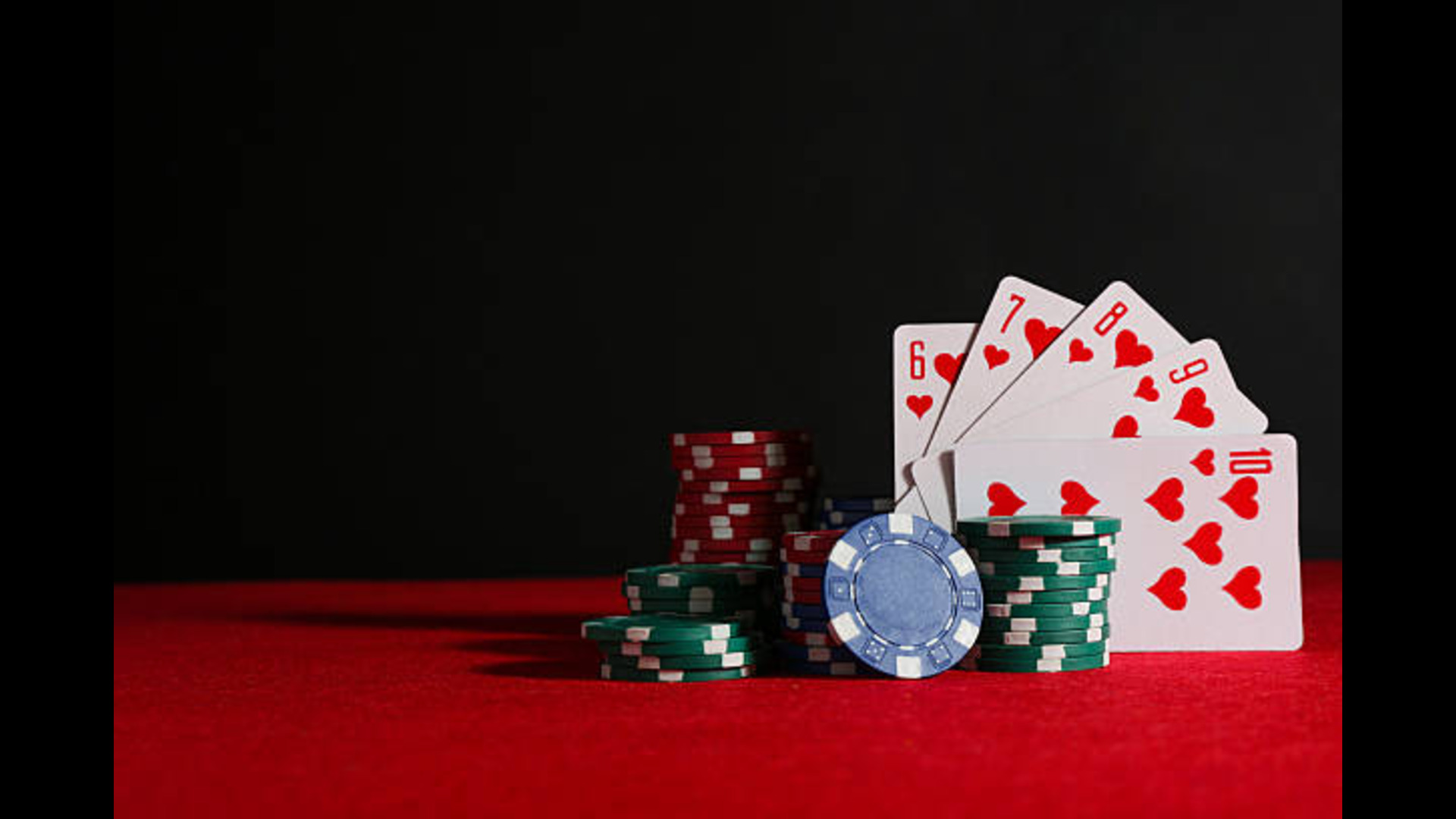
In live poker, cash is rarely used directly on the table. Instead, players use Chips of various colors and denominations to represent currency.
Table Stakes
This rule means you can only play with the money/chips you had on the table at the start of the hand. You cannot reach into your wallet mid-hand to add more funds to call a bet.
Common Player Actions in Live Poker
When it is your turn to act, you generally have five options. Using the correct verbal declaration is the safest way to play.
Check
To Check is to pass the action to the next player without betting. You can only check if no one has placed a bet before you in the current round.
Call
To Call is to match the amount of the current bet or raise. It keeps you in the hand without increasing the price for others.
Raise
A Raise is to increase the size of the existing bet. This forces other players to either pay more to stay in or fold their cards.
Fold
To Fold is to discard your hand and forfeit any interest in the current pot. You no longer have to put money in, but you can no longer win.
All-In
Going All-In means committing your entire remaining stack of chips into the pot.
Essential Poker Hand Terms
Knowing what you are holding—and what could be on the board—is vital for calculating your chances.
Hole Cards
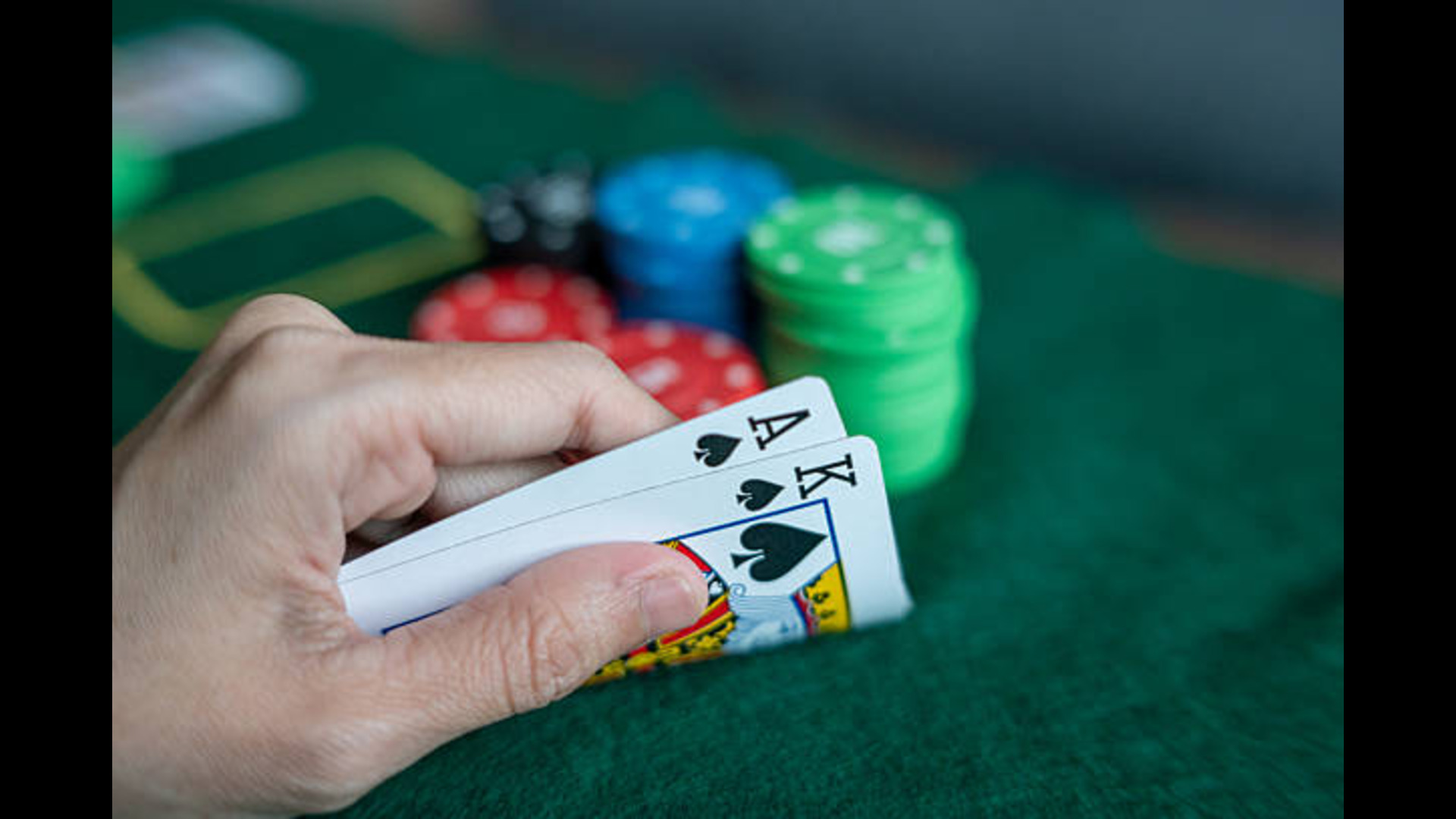
These are the private cards dealt face down to each player. In Texas Hold'em, you receive two Hole Cards that only you can see.
Community Cards
These are the cards dealt face up in the center of the table. Every player uses these in combination with their hole cards to form their best five-card hand.
Kicker
A Kicker is a card that doesn’t help form a pair or a straight but is used to break ties between two players with the same hand (e.g., both have a Pair of Aces, but one has a King kicker).
Nuts (Best Possible Hand)
"The Nuts" refers to the best possible hand available based on the community cards. If you have the nuts, you cannot be beaten.
Important Betting and Table Terms
The structure of the game is defined by its betting limits and entry fees.
Ante
An Ante is a small, mandatory contribution required from every player at the table before a hand starts, common in tournaments to drive action.
Pot Limit
In Pot Limit games (like PLO), the maximum amount a player can bet or raise is the current size of the pot.
No Limit
In No Limit (like NLHE), a player can bet any amount of their chips, up to their entire stack, at any time.
Minimum Bet and Maximum Bet
The Minimum Bet is usually the size of the Big Blind. In Limit games, there is also a Maximum Bet allowed per round.
Live Poker Table Etiquette Terms
In live poker, how you play is just as important as what you play. Breaking these rules can lead to penalties.
String Bet
A String Bet is an illegal move where a player puts chips into the pot in multiple motions without verbally declaring "raise." You must put all your chips in at once or speak first.
Angle Shooting
Angle Shooting refers to unethical (but often technically legal) actions used to trick opponents, such as pretending to fold to see their reaction.
Slow Rolling
Slow Rolling is the offensive act of taking a long time to show the winning hand at a showdown when you know you have the best cards. It is considered highly disrespectful.
Acting Out of Turn
This occurs when a player checks, bets, or folds before it is their legal turn to act. This provides unfair information to the rest of the table.
Popular Poker Strategy Terms Beginners Should Know
Once you know the rules, you need to understand the tactics.
Bluff
A Bluff is betting with a weak hand in hopes of making opponents with stronger hands fold.
Semi-Bluff
A Semi-Bluff is betting with a hand that is currently weak but has a good chance of improving (drawing) to a strong hand in later rounds.
Pot Odds
Pot Odds is the ratio of the current size of the pot to the cost of a contemplated call. It helps you decide if a "draw" is mathematically worth chasing.
Position (Early, Middle, Late)
Position refers to where you sit relative to the dealer button. Late Position (on or near the button) is the most powerful because you see everyone else act before you decide.
Advanced Live Poker Terms to Learn Over Time
As you gain experience, you will start to hear these more nuanced terms.
Tilt
Tilt is a state of emotional frustration (usually after a loss) that causes a player to play sub-optimally and take unnecessary risks.
Bad Beat
A Bad Beat is when a very strong hand that is a statistical favorite loses to an even stronger hand, often on the final card.
Tell
A Tell is a physical or verbal habit (like a shaking hand or a specific phrase) that gives away the strength of a player's hand.
Range
A Range is the entire set of possible hands an opponent might be holding based on their actions and position.
Find and read our newest article breaking down methods to perform hot and cold number analysis for 4D lottery here: 4D Lottery Hot and Cold Numbers Analysis Guide
Tips for Memorizing Live Poker Terms Quickly
Practice at Low-Stakes Tables
The best way to learn is by doing. Playing $1/$2 "No Limit" provides a low-pressure environment to hear the terms used in real-time.
Watch Professional Poker Games
Watching "PokerGO" or World Series of Poker broadcasts is excellent. Commentators use these terms constantly, providing a natural immersion into the language.
Keep a Live Poker Terminology Cheat Sheet
Don't be afraid to keep a small list of terms on your phone or a notepad. Most players are happy to help a beginner if they see you are making an effort to learn the game correctly.
Conclusion
Mastering live poker terminology is your first "win" at the table. It builds your confidence, ensures you respect the etiquette of the cardroom, and allows you to begin thinking about the game at a strategic level. Once you speak the language, the true fun of poker begins.